
In plastic film recycling, most discussions focus on improving wash quality and pellet output. Yet one critical cost driver is often underestimated: how the unavoidable 5–15% of washing line rejects are handled. As disposal fees, logistics costs, and carbon pricing continue to rise—especially with waste incineration entering the EU ETS—wet reject handling is no longer a minor operational detail. In practice, it has become a strategic issue that directly impacts operating costs, regulatory exposure, and overall carbon footprint. Based on our field experience, this article explains why transporting water is quietly draining margins—and how mechanical dewatering with a Squeeze Dryer can turn this overlooked liability into measurable savings.
Recent discussions with recycling plant operators across Europe have highlighted a recurring issue: while most investments focus on wash quality, the cost of handling washing line rejects is quietly becoming one of the fastest-growing operating expenses. During our on-site technical visits, we observed that reject waste—often overlooked during line design—was eroding overall profitability due to high moisture content.
To truly optimize ROI, facility managers must address this "hidden waste-processing cost." Integrating advanced mechanical dewatering should be a priority when you are building your own plastic film recycling washing line, ensuring that waste management is considered from day one.
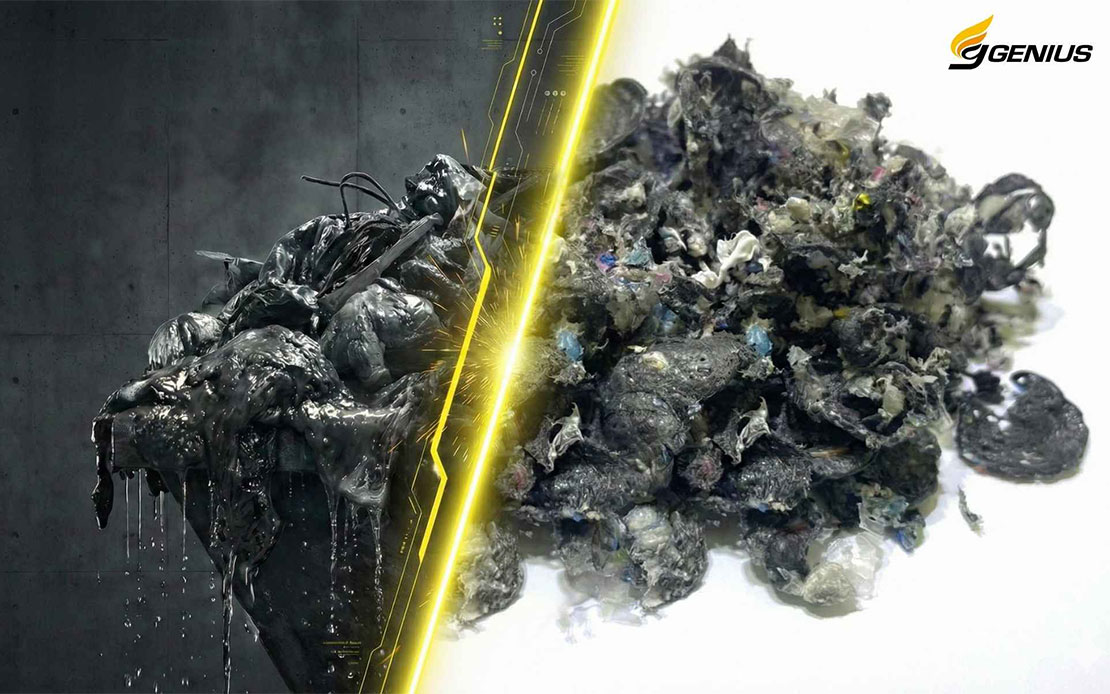
In a typical plastic film washing line, approximately 5–15% of the total input does not become usable recycled material. This "reject stream" is a complex slurry consisting of:
Although these materials are not part of the final product, they must still be disposed of. The core issue is that this material acts like a sponge. Without effective dewatering, recyclers fall into a "Double Cost Trap":
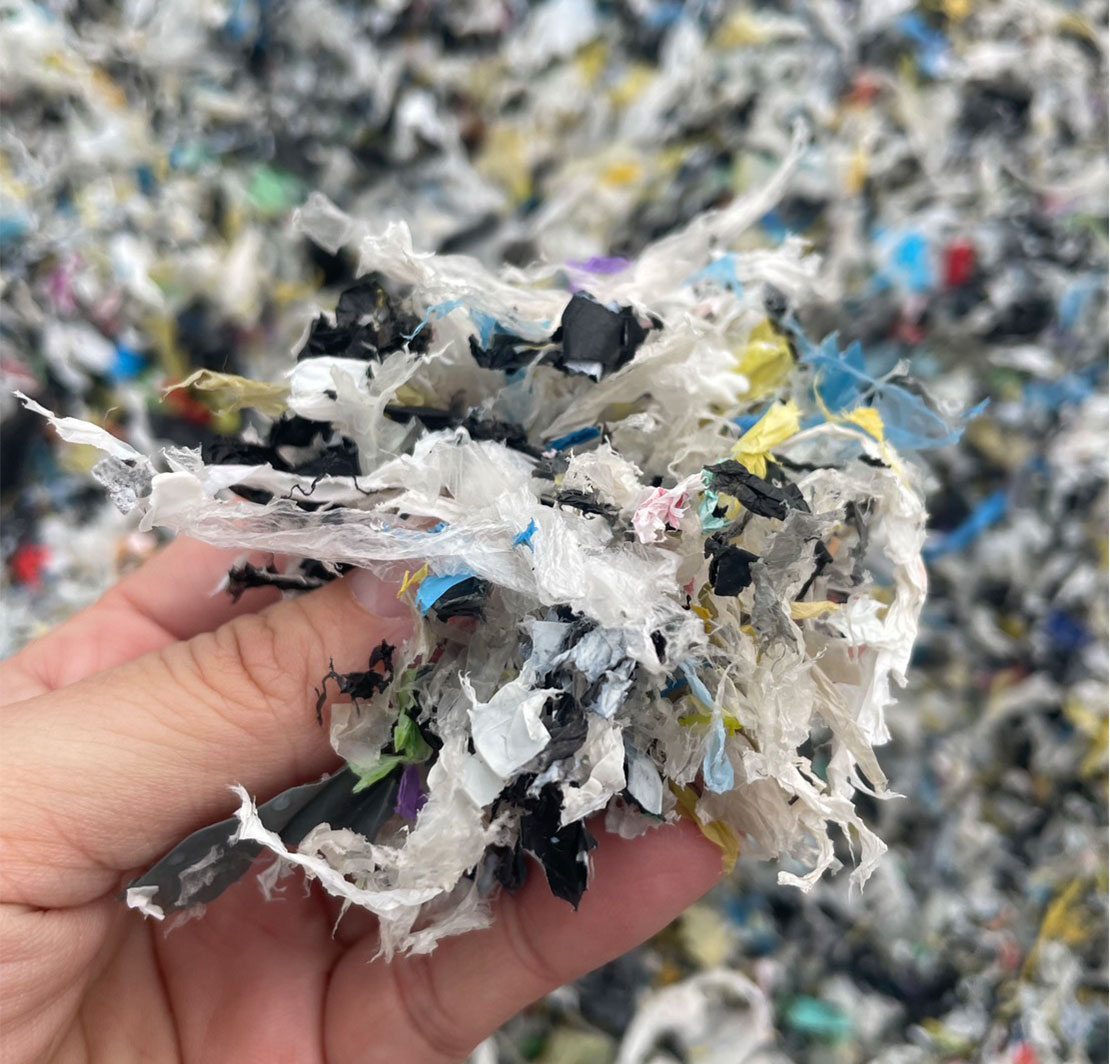
(A close-up of typical washing line rejects—a heavy, wet mix of film and pulp that retains water like a sponge, driving up disposal fees.)
The solution is the Squeeze Dryer (Screw Press), designed specifically to address this problem through mechanical dewatering rather than thermal drying. By applying high torque and compression, the system provides two immediate benefits:
This level of dryness is not just for waste—it is the entry requirement for high-performance applications. For instance, achieving stable extrusion for Circular PE requires feedstock with minimal moisture to prevent defects like bubbling.
However, removing moisture is only half the battle. Efficient plants must also manage the significant volume of water extracted during this process.
A Squeeze Dryer does not work in isolation; it acts as a critical node in your facility’s water management ecosystem. When the screw press extracts water from the reject stream, that liquid is often laden with suspended solids and dissolved contaminants.
Instead of discharging this "squeezed water" as wastewater, advanced plants integrate it back into the washing loop.
To maintain this efficient loop continuously, the equipment itself must be built to withstand the rugged reality of processing dirty waste.
Processing soft, fibrous rejects places unique mechanical stress on equipment. Paper pulp, labels, and mixed plastic films can easily clog or jam standard machines that lack sufficient torque.
The Genius DW Series is engineered with armor-plated durability and high-torque gearboxes built for continuous operation under abrasive conditions. Moreover, as energy efficiency becomes a pillar of the 5 Trends of Plastic Waste Recycling Machines, mechanical dewatering delivers up to 30% lower energy consumption per processed kilogram compared to thermal drying.
| Model | Capacity (PE) | Operational Scale | Ideal Application |
|---|---|---|---|
| DW-250 | Up to 350 kg/h | Pilot / Small Lines | Perfect for retrofitting into tight spaces in existing wash lines. |
| DW-350 | Up to 900 kg/h | Large Industrial Plants | Heavy-duty capability for high-volume reject streams. |
| DW-380 | Up to 1,200 kg/h | Regional Hubs | Maximum throughput for centralized waste processing facilities. |
(For more details, please visit Plastic Film Squeezing Dryer Machine)
Our engineering team recently collaborated with a prominent LDPE film recycler in Eastern Europe. Despite having an efficient washing line, they faced a critical bottleneck: their washing line rejects (running at ~900 kg/h) were retaining over 60% moisture.
The versatility of the Squeeze Dryer extends to niche markets. It plays a critical role in these specialized applications, where its primary function is to effectively remove moisture from the washed materials.
Global success stories further validate this technology:
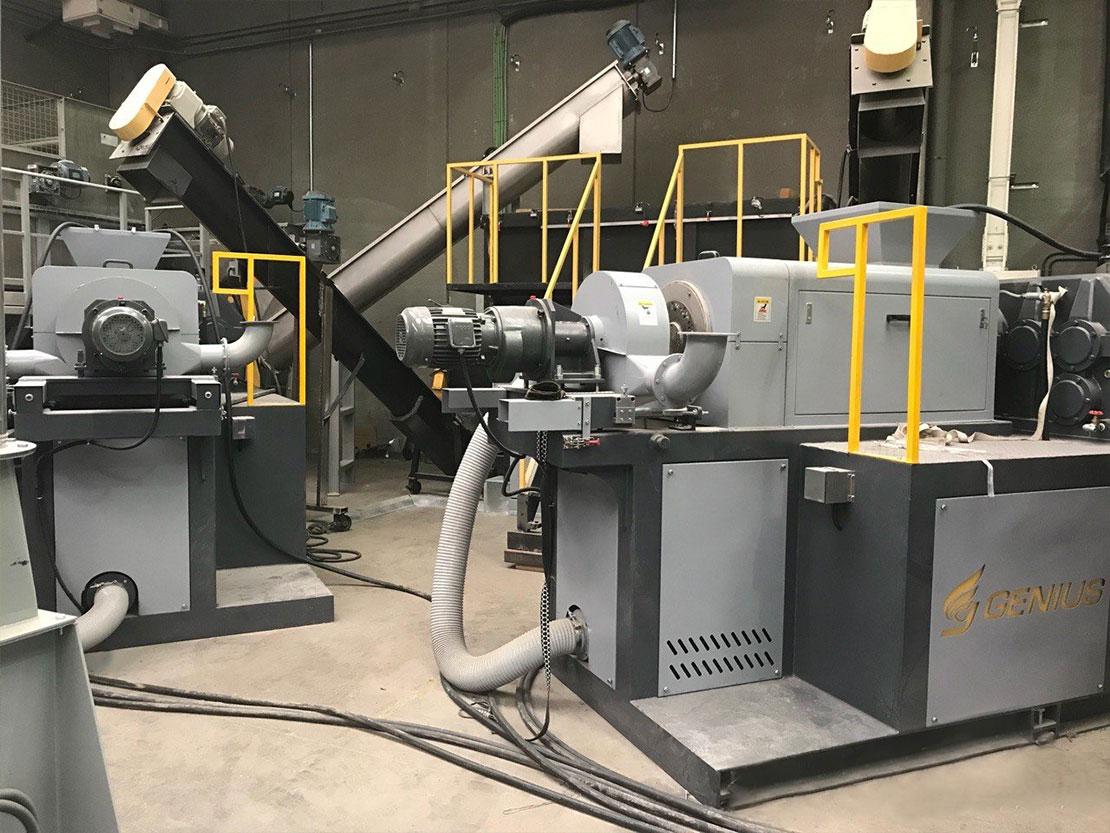
(Successfully processing heavily contaminated Post-Consumer Waste (PCW). The unit drastically reduces waste volume, cutting logistics costs for the European facility.)
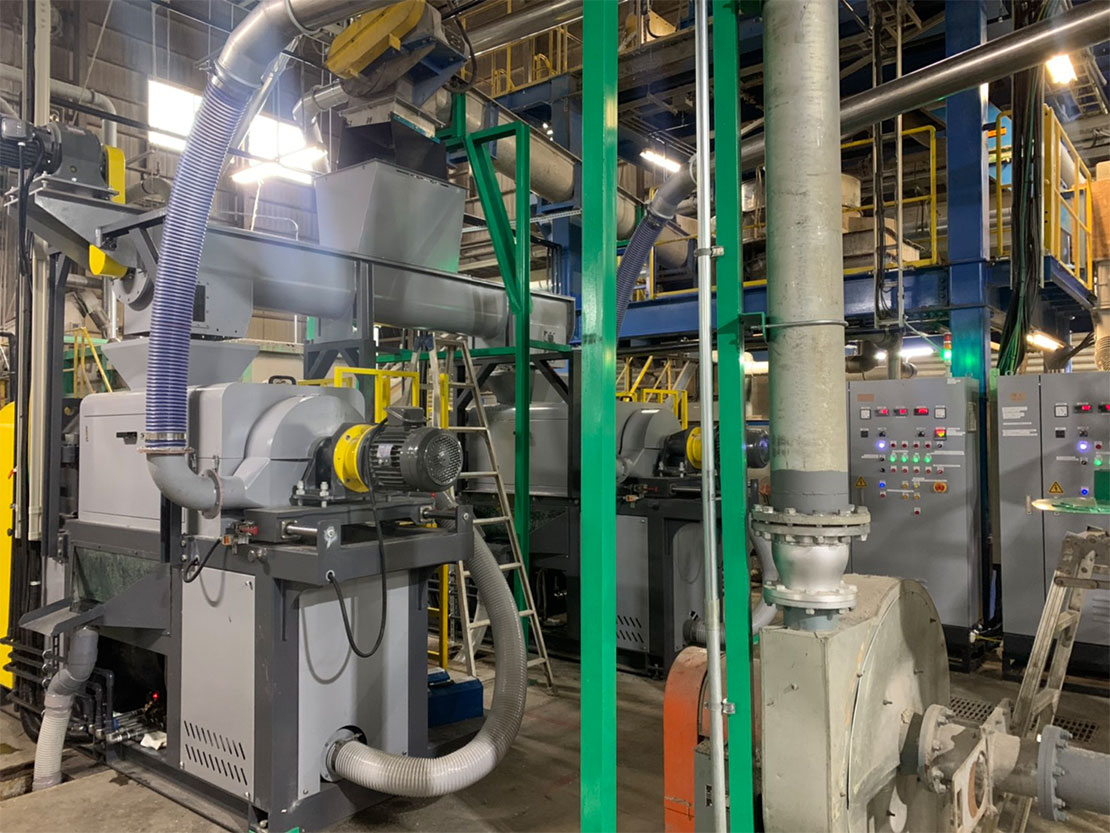
(One of over 50 Genius Squeeze Dryers currently operating in Japan, meeting the country's rigorous standards for both agricultural film and post-consumer waste recycling.)
As waste incineration enters the EU ETS in 2026, the era of cheap disposal is over. "Good enough" waste handling is no longer sufficient to protect your margins. By mechanically removing moisture from the unavoidable 5–15% reject stream, you are not just cutting logistics costs; you are actively shielding your business from the rising carbon pricing mechanism. A Squeeze Dryer ensures consistency, allowing advanced systems like Side Feeding with Forced Compression to operate at maximum throughput.
Don't let your profits leak away with your wastewater
If wet rejects are still leaving your washing line, hidden costs are leaving with them. Explore our Field-Proven Success Stories to see real-world examples or contact Genius Machinery today for a customized analysis based on your material type.


