
In the professional recycling sector, stretch film recycling is a high-stakes game. While the circular economy offers high-growth margins, most facilities bleed profit through constant mechanical downtime. Success isn't just about owning a machine; it’s about defeating the "tangler" challenge and driving down the Total Cost of Ownership (TCO). This guide explores the ROI-driven engineering required to turn problematic LLDPE waste into market-leading, premium-grade PCR pellets.
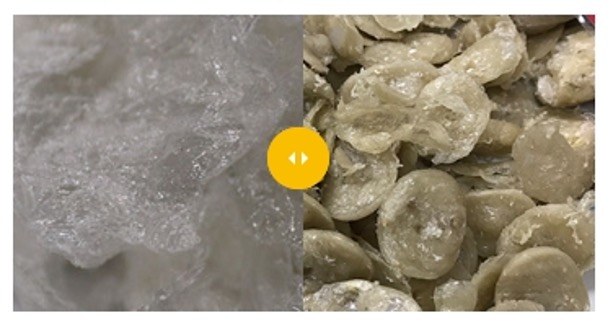
The global surge in demand for post-consumer resin (PCR) has shifted stretch film recycling from a waste-management chore to a high-margin industrial opportunity. However, in this competitive landscape, "good enough" throughput isn't enough. Professional recyclers live or die by two metrics: Throughput Stability and Pellet Consistency.
Standard equipment often chokes on LLDPE. Its inherent elasticity and tackiness are "system killers" that lead to constant manual intervention. To secure a true ROI, you need a specialized, integrated system designed to respect—and master—the unique physical properties of pallet wraps. To achieve this level of stability, one must look closely at the mechanical precision of each processing stage.
The push for a circular economy is no longer just a trend; it is a regulatory mandate. With increasing Extended Producer Responsibility (EPR) legislation enforcing the use of Post-Consumer Recycled (PCR) content in packaging, major corporations are urgently seeking high-quality recycled resin to meet sustainability goals and reduce carbon emissions.
This shift has transformed used stretch film from a waste liability into a valuable commodity. However, to capture this market premium, recyclers must deliver resin that rivals virgin material. This is where upgrading your processing technology becomes a critical business strategy.
Read more : Circular PE Is Going Mainstream — Is Your Film Recycling Equipment Ready?
Before the material enters your line, it typically originates from distribution centers and retailers who utilize stretch film balers to compact their waste. Before entering the recycling line, stretch film waste is typically compacted into dense bales through structured collection systems across logistics and retail networks.
Furthermore, while suppliers strive for pure LLDPE, incoming bales often contain mixed plastics or varying degrees of contamination. Stretch wrap is notoriously difficult due to its high-moisture, low-bulk nature. When these dense, elastic bales hit a standard shredder, they become the notorious 'Tanglers'—wrapping around rotors and halting production. This is why a specialized Single Shaft Shredder is not optional; it is essential for processing the dense bales sourced from today's supply chain.
To produce pellets that command premium prices, your stretch film recycling line must be an automated fortress against contamination and mechanical failure. Here is how we break down the four critical stages:
Unlike rigid plastics, stretch film is a "tangler." In a standard facility, thin film doesn't just sit in the hopper—it hunts for the rotor, wrapping tightly until the motor overheats and the line goes dark.
Once shredded, the material must be purged of surface impurities. Cleanliness is the literal "transparency" of your profit. Using multi-stage friction and centrifugal force, our washing lines don't just rinse—they scrub. We target the oils, dust, and stubborn adhesives (tackifiers) that others leave behind, ensuring your output meets high-end industrial standards.
After washing, the challenge shifts from purity to moisture control. In stretch film recycling, moisture is the enemy. Residual water leads to porosity (bubbles), which instantly devalues your product. Traditional thermal drying is a "money pit"—it's energy-intensive and often fails to get thin film below 7% moisture.
The Innovation:
Our Plastic Squeeze Dryer uses mechanical compression to instantly “wring out” water while simultaneously densifying the material into semi-plasticized flakes. This process not only removes moisture but also dramatically reduces material volume, transforming loose, bulky film into compact, high-density output.
The Result:
We drive moisture content down to <3% while producing semi-molten flakes with significantly reduced bulk volume. The densified output:
By stopping both water waste and unnecessary volume inefficiency, you gain better material handling, lower energy consumption, and improved total system efficiency.
Read more: Stop Paying to Transport Water: Squeeze Dryer Strategy for Cutting Disposal Costs & Carbon Footprint
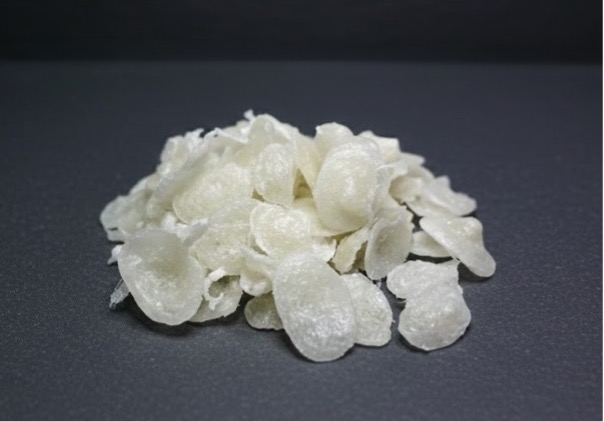
(Semi-plasticized flake output after mechanical squeeze drying, demonstrating densified structure and reduced volume.)
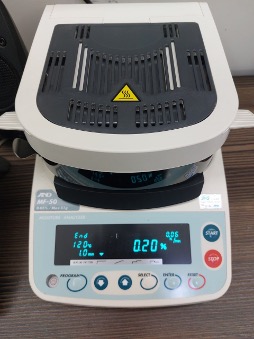
(Verified moisture content test result showing 0.20% residual moisture.)
The final transformation stage is engineered based on your upstream material condition.
For loose or partially dried film, our KR Cutter Compactor system integrates cutting and densification into a stabilized pre-conditioning unit, ensuring controlled temperature rise and consistent feeding.
When the material has already been processed through a Screw Press Dewatering (Squeeze Dryer), the system can transition to a RECO side-feeding configuration. By eliminating the cutter compactor stage, energy consumption is significantly reduced while maintaining stable pelletizing performance.
Genius Insights : Pellet discoloration is often caused by excessive thermal stress during pre-conditioning. By selecting the appropriate feeding architecture—KR for wet films or RECO for pre-dried materials—we minimize heat history and protect the optical clarity of your PCR pellets.
Read more : Main Feeding Methods for Recycling Equipment : Enhancing Efficiency and Output
While technical excellence ensures quality, the long-term viability of your facility depends on the bottom line. In this industry, your biggest competitor isn't the guy down the street—it's your electricity bill. Traditional centrifugal dryers are energy hogs. By switching to mechanical Squeeze Drying, a 500kg/h facility can slash drying energy consumption by up to 30%. This isn't just "being green"; it’s a calculated move to lower your TCO and shorten your payback period.
A leading stretch film recycler in Japan faced rising electricity costs and persistent micro-bubble defects in their LLDPE pellets. Thermal drying systems consumed excessive power while still failing to achieve consistent moisture control.
After upgrading to the Genius Stretch Film Recycling Machine and System with our Mechanical Squeeze Dryer, the improvements were measurable:
For a market that demands precision, stable 1.8% moisture made the difference between standard pellets and premium PCR branding.
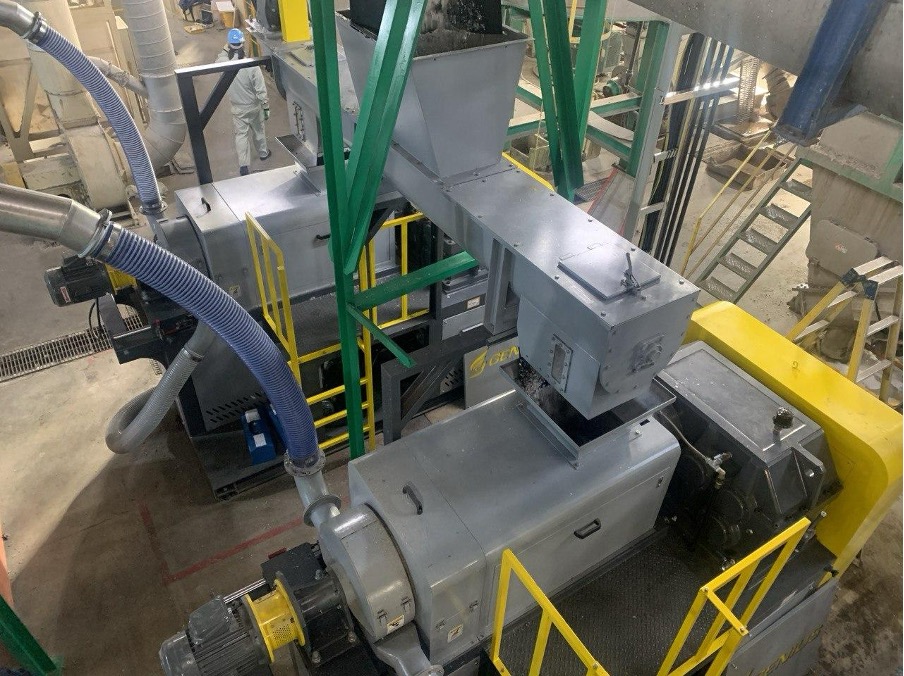
(Stretch film recycling system operating at a Japanese facility achieving stable 1.8% moisture control.)
A stretch film recycler in South Korea was struggling with rising operational costs and complex multi-stage drying systems. Their conventional setup required separate squeeze, extrusion, and pelletizing units—each powered independently—leading to high maintenance and energy consumption.
They replaced their system with the Genius DWX Squeeze Dryer Integrated Recycling Machine, which combines squeezing, extrusion, degassing, and pelletizing into a single machine powered by one motor.
The transformation was immediate:
By eliminating redundant drive systems and cutter compactor stages, the recycler achieved a more compact, energy-efficient, and stable production line—without sacrificing pellet quality.
Today, they operate a streamlined “wet-to-pellet” solution that maximizes output while minimizing total cost of ownership.
.jpg?48nprpi4nd)
(DWX Squeeze Dryer Integrated Recycling Machine – single motor design combining squeezing, extrusion, and pelletizing in one system.)
Maximizing the performance of a recycling line requires more than just high-end hardware; it demands a deep understanding of material behavior under heat and pressure. Below, we address the most common technical hurdles operators face when striving for premium PCR output.
Yellowing is usually a sign of "thermal fatigue." If your machine runs too hot during compaction or extrusion, the polymer begins to degrade. Our system uses stable, low-temperature pre-conditioning to protect the material's aesthetic value.
While many blend PCR at 20-50%, pushing PCR ratios to industry-leading levels—while maintaining film integrity—requires near-perfect input. To achieve this, you need the ultra-clean friction washing and <3% moisture control provided by high-efficiency recycling lines.
Adhesives that survive the wash will carbonize inside your extruder. This creates "black specks" that disqualify your pellets from high-end packaging markets. Specialized friction washing is non-negotiable for premium output.
Read more : 6 Factors to Consider When Choosing Melt Filters for Plastic Recycling Extrusion Machines
As global regulations mandate higher recycled content, the "winners" will be those who can process LLDPE without the drama of downtime or the cost of low-quality output. By optimizing your line with Genius Machinery’s proven engineering, you ensure high-purity output and a faster return on investment.
Ready to stop fighting your machinery and start scaling your output? Contact our experts to design your custom, high-ROI stretch film recycling solution today.


